Global placement rules follow a clear tiered system: industrial zones are the most flexible, while residential and historic districts enforce the strictest limits. This article summarizes the 2026 global portable storage container compliance requirements and region-specific rules for North America, Europe, and Australia, delivering a concise guideline for legal mobile storage deployment.
Universal Core Compliance Standards (Global Must-Follow Rules)
All outdoor portable storage containers and PODs worldwide must comply with eight universal core rules, covering zoning eligibility, permits, setbacks, site conditions, quantity and time limits, screening, fire safety, and HOA restrictions. These baseline standards form the fundamental compliance framework for global mobile storage container placement.
1. Land Zoning & Usage Eligibility
Zoning type determines the legality of outdoor storage container placement. Industrial zones (I-1/I-2) allow flexible placement and stacking (max 20ft/6m height) with only standard setbacks required. Commercial zones permit portable storage but require rear-yard placement, visual screening, and limit 1–2 units per lot.
Residential zones impose the strictest rules for residential portable storage PODs and shipping containers. Front-yard placement is banned in most areas; units are limited to backyards or side yards. Standard rules allow one household unit only (≤10ft height, 130–200sqft), with temporary placement limited to 5–90 days yearly. Extended use requires a temporary permit. Rural zones are lenient, while floodplains, historic zones, and conservation areas generally prohibit outdoor portable storage installations.
2. Permit & Approval Requirements
Placement on public roads, sidewalks, or curbs requires a mandatory ROW/street occupancy permit (1–30 days validity), with reflective markings and warning lights for safety.
Private property outdoor storage within 90 days needs a Temporary Use Permit (TUP). Long-term placement or modified units with electric/water/insulation require building, electrical, and fire permits. Most cities mandate building permits foroutdoor storage container over 200sqft or 10ft tall.
3. Placement Position & Setback Standards
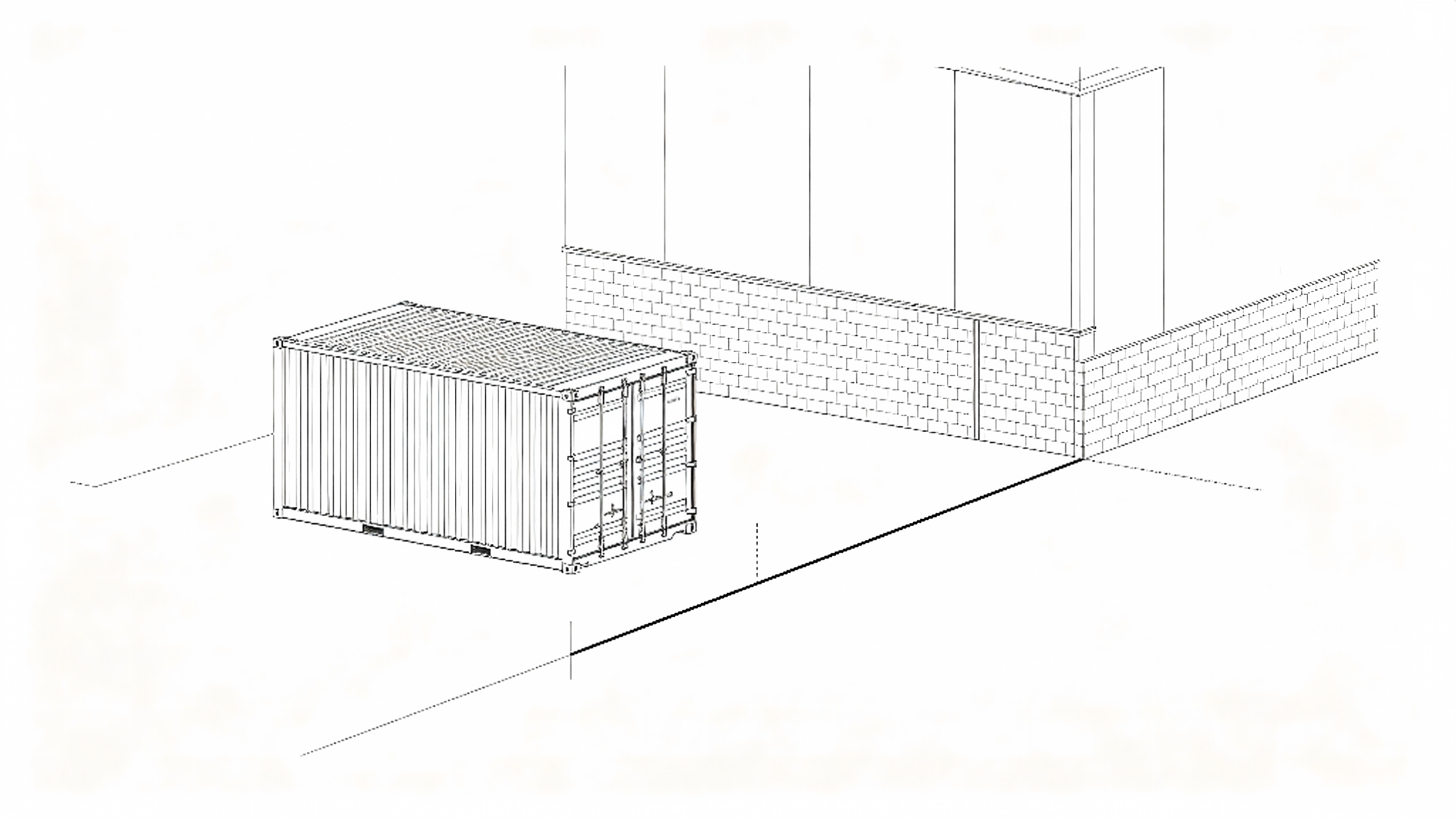
Global setback rules for portable storage containers require 3–10ft (0.9–3m) clearance from property lines and 5–10ft distance from buildings to preserve fire access. Placement is forbidden within 10ft of fire hydrants, road intersections, and main road frontages to avoid safety hazards from improper outdoor storage placement.
4. Site Foundation & Ground Conditions
Outdoor portable storage containers and PODs cannot be placed directly on soil or grass. Concrete or asphalt hardened ground is mandatory. Long-term mobile storage container deployment requires gravel bedding or concrete piers for stabilization and drainage.
5. Quantity, Height & Stacking Limitations
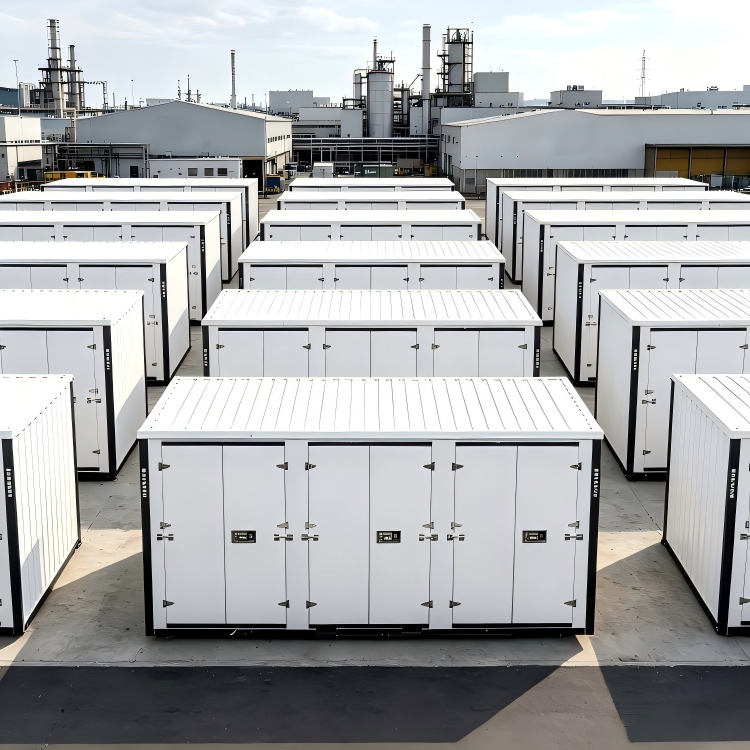
Outdoor storage container quantity, height and stacking follow zoning-based limits. Residential: 1 unit max, 8–10ft height, no stacking. Commercial: up to 2 units per 20,000sqft. Industrial: up to 10 units per acre, max 2 layers and 20ft total height for industrial portable storage containers.
6. Visual Screening & Aesthetic Control
Outdoor portable storage containers near roads or residential areas require 6–8ft opaque screening (solid fence or dense greenery). Wire mesh fences do not meet municipal and HOA outdoor storage regulations.
7. Safety & Fire Protection Specifications
Outdoor portable storage containers and PODs are prohibited from storing flammable, explosive, or toxic hazardous materials. Sites must reserve 10ft clear fire access, equip fire extinguishers, and keep fire hydrants unblocked. All mobile storage units must meet local wind and seismic standards; structural modifications require engineer certification.
8. HOA Community Covenant Restrictions
Over 80% of North American residential communities and most premium residential zones in Europe and Australia apply stricter HOA rules than municipal outdoor storage container regulations. HOA covenants may ban placement, limit colors, and shorten allowed placement time, which is the top priority for residential portable storage deployment.
Regional-Specific Compliance Rules: North America, Europe & Australia
Beyond global baseline standards, portable storage containers and PODs require region-specific compliance. Local municipal, state, or provincial rules often add strict limits for placement duration, location, and screening. Cross-border storage businesses must verify local rules to avoid fines and forced removal.
North America (United States & Canada)
U.S. outdoor storage container compliance rules are county and city governed: public placement needs full permits, while private placement follows zoning and HOA rules. Portland allows permit exemption for units under 200sqft/10ft (no residential/office conversion). Phoenix restricts residential storage POD placement to back/side yards (3ft setback, max 30% yard coverage). Salt Lake City limits residential placement to 3 months yearly, while industrial zones allow long-term screened outdoor storage deployment.
Canadian portable storage container regulations differ by province. Ontario and BC restrict residential placement to 1 unit within 60 days (backyard only with screening). Commercial outdoor portable storage requires a TUP and bans street-front placement.
European Union Mainstream Regions
Germany and the Netherlands allow private-land mobile storage containers for a maximum of 3 months in residential areas. Industrial/logistics zones have flexible terms. Any electrical, insulation, or structural upgrade for modified outdoor storage units requires building and fire safety permits.
The UK limits residential outdoor portable storage solutions to 28 days per year and bans front-yard placement. All commercial outdoor storage projects require official Planning Permission.
Australia & New Zealand
Australia (NSW & Victoria) outdoor storage container compliance rules allow 3-month residential placement with a 5m property setback. Commercial and industrial portable storage deployments need Development Approval with mandatory screening and clear fire access. Industrial stacking is limited to 2 layers (max 6m height).
2026 Global Compliance Summary & Operational Suggestions
Globally, outdoor portable storage container compliance follows a clear tiered hierarchy: industrial (flexible) > commercial (moderate) > residential/historic zones (strict or prohibited). All regional rules focus on zoning, setbacks, quantity/time limits, site standards, fire safety, and screening. HOA covenants override municipal rules for all mobile storage unit placement in residential areas.
Portable storage container suppliers and rental operators must complete pre-deployment compliance checks: verify local zoning and HOA rules, apply for correct permits, and standardize on-site safety and placement. Active outdoor storage compliance avoids fines, forced removal, and project delays, ensuring stable global business operation.
