The self-storage and warehouse rental industry has evolved into a critical segment of the global logistics and real estate sectors. In 2025, the global self-storage market reached a value of approximately USD 64.86 billion, with North America, Europe, and Australia collectively accounting for over 70% of the total market share.
Introduction
Self-storage and warehouse rental have become an indispensable part of global logistics and real estate. The worldwide self-storage market hit around $64.86 billion in 2025, with North America, Europe and Australia together holding more than 70% of the overall market. As of 2026, each region displays distinct characteristics shaped by economic maturity, urbanization, and consumer behavior. This article explores the current landscape, key trends, and challenges across these three major markets.
North America: Mature Market Facing Supply-Demand Imbalance
North America, particularly the United States, is the world’s most established self-storage market, holding roughly 41% of the global share. The U.S. alone has over 52,000 facilities and 2.3 billion square feet of leasable space, with approximately 1 in 10 households renting storage units.
Post-Pandemic Slowdown & Rent Pressures
After a boom during 2020–2022 (annual growth of 15%–25%), the market cooled significantly in 2023–2025. By March 2026, the average monthly rent in the U.S. was $131, representing a 2.2% year-over-year decline, with 76% of major cities reporting falling rates. Sunbelt markets (e.g., Florida, Texas) face oversupply, while Northeastern cities like Boston see growth due to limited space.
Supply Correction & Operational Shifts
New construction, which peaked in 2023–2024, is slowing. Deliveries are projected to drop by 19% in 2025, 18% in 2026, and 9% in 2027, easing oversupply concerns. Operators are increasingly adopting climate-controlled units (now 58% of the market) and smart tech (e.g., contactless leasing) to boost profitability.
Europe: Fragmented & Gradually Expanding
Europe accounts for about 26% of the global self-storage market, with a more fragmented landscape than North America. The industry is less saturated, with penetration rates significantly lower than the U.S.—around 2%–3% in major cities versus 10% in the U.S..
Key Regional Drivers
Urbanization, shrinking apartment sizes, and rising residential mobility fuel demand, especially in the UK, Germany, France, and Spain. The UK is the most mature European market, with over 1,500 facilities, while Eastern Europe remains underdeveloped but growing.
Business & E-Commerce Demand
Unlike North America, Europe sees a higher proportion of business users (≈38%), including SMEs and e-commerce operators needing inventory space. The rise of cross-border e-commerce has further increased demand for flexible, short-term warehousing solutions.
Operational Trends
European operators are adopting sustainable practices (e.g., solar panels, green insulation) and digital platforms for booking and access, with 44% of facilities now using smart access systems.
Australia: Strong Growth Driven by Urbanization
Australia is one of the fastest-growing self-storage markets globally, with a projected CAGR of 4.66% from 2026 to 2034. The market reached USD 1.26 billion in 2025 and is expected to hit USD 1.9 billion by 2034.
Urban Density & Housing Trends
Over 86.6% of Australians live in urban areas (Sydney, Melbourne, Brisbane), where high housing costs and smaller apartments drive demand for off-site storage. Frequent relocations and a growing “downsizing” culture further support growth.
E-Commerce & Institutional Investment
Australia’s e-commerce boom has increased demand for small-batch inventory storage, with 46% of e-commerce businesses expanding storage usage. Institutional investors are aggressively entering the market, with AUD 5.5 billion in transactions in 2025, driving consolidation.
Portable & Modular Storage Popularity
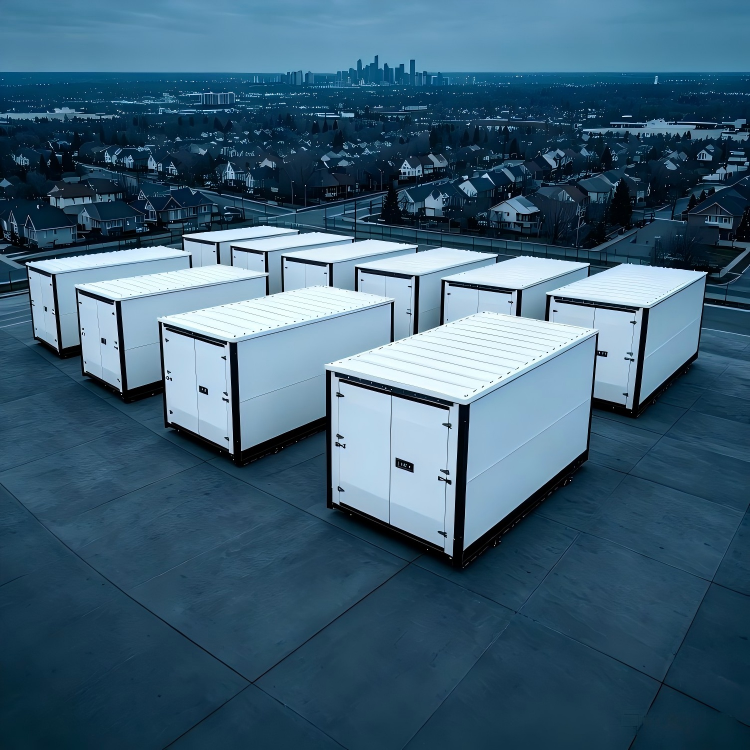
Portable and modular storage solutions (e.g., mobile shipping containers) are gaining traction, especially in construction, mining, and rural logistics. These units offer flexibility and cost savings compared to traditional brick-and-mortar facilities.
Key Cross-Regional Trends
- Climate-Controlled Premium: All regions see rising demand for climate-controlled units, which command 20%–50% higher rents.
- Tech Adoption: Contactless leasing, smart access, and AI-driven pricing are becoming standard, reducing operational costs.
- Portable & Modular Solutions: Mobile storage units (e.g., shipping containers) are increasingly popular for construction sites, retail pop-ups, and disaster relief.
- Sustainability: Green building materials, energy-efficient systems, and carbon-neutral operations are becoming competitive differentiators.
Conclusion
The self-storage and warehouse rental markets in North America, Europe, and Australia are at different stages of maturity but share common growth drivers: urbanization, e-commerce expansion, and shifting consumer lifestyles. North America is stabilizing after oversupply, Europe is gradually expanding with a focus on business users, and Australia is experiencing robust growth fueled by urban density and institutional investment.
For businesses and investors, the modular and portable storage segment—including mobile shipping containers—presents significant opportunities across all three regions. As demand for flexible, cost-effective, and scalable storage solutions continues to rise, these products are well-positioned to serve both residential and commercial users in 2026 and beyond.
