Finding the right storage solution can be a daunting task, whether you're downsizing, clearing out clutter, or need additional space for your business inventory. With so many options to choose from, it's vital to know how to evaluate them to ensure they meet your specific needs. In this article, we'll walk you through the key factors to consider when choosing the ideal storage solution.
Understanding Your Storage Needs
The first step in finding the right storage solution is to understand exactly what you need to store. Are you looking to store household goods, business inventory, seasonal equipment, or something else? The type of items you're storing will determine the type of storage you need. For example, fragile items like electronics or antiques may require climate-controlled storage, while sturdy items like tools or sports equipment may not.
Make a detailed inventory list to help you assess the amount of space you'll need. This list is also useful when comparing different storage options and their costs.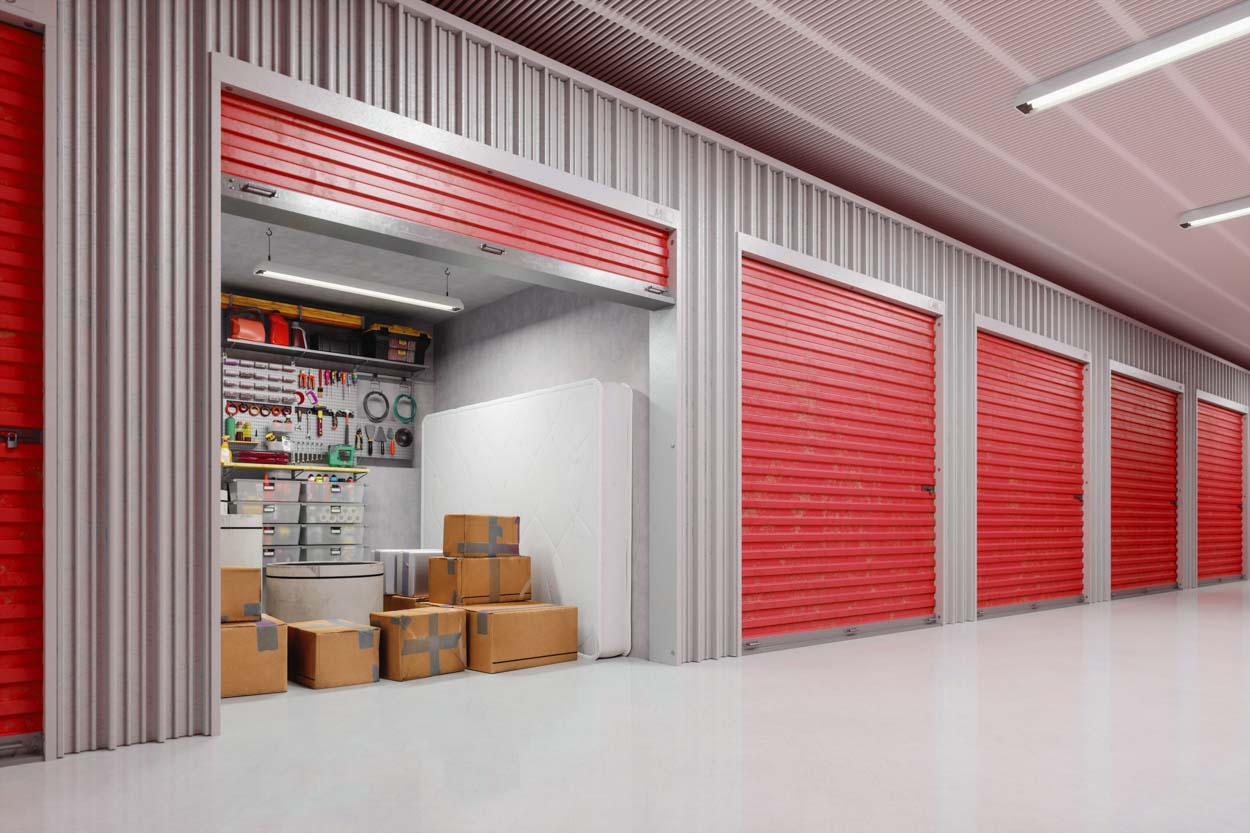
Types of Storage Solutions
1.Self-Storage Units
Self-storage units are one of the most popular options for both personal and business storage needs. These units come in a variety of sizes and can usually be rented on a month-to-month basis, offering flexibility. Some self-storage facilities also offer climate-controlled units for storing sensitive items.
2.Portable Storage Containers
Portable mini storage units are delivered to your location, allowing you to load them up at any time. Once full, the company will pick up the container and store it at their facility or ship it to your new location. This option is great for those who are moving or need temporary on-site storage.
3.Warehouse storage
For businesses with larger inventory needs, warehouse storage may be the best solution. These facilities often offer additional services such as inventory management and logistics support. However, warehouse storage generally requires a longer-term commitment and may involve higher costs.
4.Document storage
Assuming your primary need is to store important documents, specialized document storage services offer a secure, climate-controlled environment. These facilities also offer services such as shredding and digital archiving.
5.Location and accessibility
When choosing a storage solution, consider the location's proximity to your home or business. Frequent access to stored items will require a nearby location. On the other hand, if you plan to store items for a long period of time without frequent access, a more distant, potentially cheaper option may be sufficient.
Also, consider the facility's accessible hours. Some storage solutions offer access, while others restrict access hours. Make sure the access hours match your needs.
6.Check that they are safe and secure
When choosing a storage solution, security should be a top priority. Look for facilities that offer strong security measures, such as CCTV surveillance, gated access, and on-site personnel. Security features vary widely between storage providers, so it’s crucial to do your homework. During your evaluation, pay special attention to self-storage units, as they are widely used and come with varying levels of security. Make sure the units have adequate locks, and ask about any additional security measures the facility offers. Some high-end storage solutions may even offer biometric access or individual alarms for each unit, providing additional protection for your valuables.
7.Climate Control and Cleanliness
Climate control is another important factor to consider, especially if you plan on storing temperature-sensitive items, such as electronics, artwork, or important documents. Climate-controlled units maintain consistent temperature and humidity levels, protecting your belongings from extreme conditions.
Cleanliness is equally important. A well-maintained storage facility will not only keep your belongings in better condition, but it can also indicate the overall quality of the service. During your visit to the facility, keep an eye out for signs of pests, mold, or water damage.
8.Cost Considerations
While cost shouldn’t be the only deciding factor, it is certainly an important one. Compare prices between different storage solutions, and remember that the cheapest option may not always be the best. Be sure to factor in any additional costs, such as insurance, administration fees, or penalties for late payments.
9.Additional Services
Many storage solutions offer additional services that can make your life easier. For example, some providers offer moving truck rentals, packing supplies, or professional moving assistance. Other providers may offer online account management, allowing you to pay your bills and manage your storage unit remotely. Consider which additional services would be beneficial to you, and choose a storage provider that offers these conveniences.
Finding the right storage solution requires careful consideration of your specific needs, the types of storage available, and each option's feature. By taking the time to research and compare your options, you’ll ensure your belongings are stored safely and securely.
GREEVEL Self-Storage Containers
If you’ve weighed the pros and cons and decided that self pack moving containers are a good fit for your storage needs, the next step is to find a quality supplier. Look for a company that offers both containers and on-site self-storage units.
GREEVEL Self-Storage offers the best of both worlds when it comes to protecting your belongings. For climate-sensitive goods or larger storage volumes, use our indoor self-storage facilities. Our easily accessible units protect your belongings in an easily accessible and highly secure manner.
With commercial and personal storage services, we make self-storage simple. Contact us today to discuss the most practical storage options to meet your specific needs.

