Containers play an essential role in the modern transportation process. Let's take a look at the whole process of a container from production to transportation to understand the various links and related technologies involved.
Ⅰ. Background introduction
1. Container Overview:
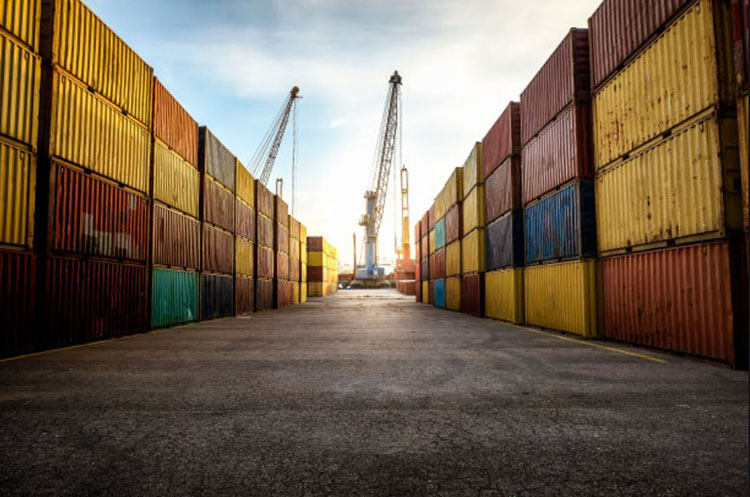
Container is a standardized cargo packaging unit, with uniform size and structure, and in line with international trade norms. They are widely used in the transport of cargo by sea, land and air.
2. Advantages of container transportation:
- Improve efficiency: The standardized design makes the transfer of goods more convenient and improves the overall logistics efficiency.
- Reduce costs: reduce manual operation time and expenses, and maximize the carrying capacity of vehicles such as ships, trains or trucks.
- Enhanced security: Since the container is well sealed and difficult to steal, it can effectively protect the cargo from loss or theft
Ⅱ.Methods and results
1. Production stage:
a) Material procurement: When purchasing materials, the use needs and quality standards of containers need to be taken into account. The selection of appropriate materials is one of the key factors to ensure that the container structure is stable and durable. At the same time, it is also necessary to ensure that the selected materials comply with relevant regulations and environmental protection requirements.
b) Manufacturing process: In the manufacturing process, machinery and equipment play an important role. Through advanced cutting technology and welding processes, raw materials can be precisely cut into the desired shape and efficient welding combinations can be performed. This can improve production efficiency and ensure product quality.
c) Quality inspection and testing: For manufactured containers, strict quality inspection and functional testing must be carried out to ensure that they meet the requirements of use. This includes appearance inspection, size measurement, bearing capacity testing and many other aspects. Only after passing all the tests and meeting the relevant standards can it be put into use.
2. Transportation stage:
a) Loading and fixing: Before the goods are transported, the goods need to be placed in the container as planned, and special fixed equipment is used to increase the stability of the goods during transportation. This can effectively avoid damage or displacement of goods in transit.
b) Transport mode selection: According to different circumstances (such as distance, speed requirements, etc.), it is very important to choose the best transport mode. Ocean routes are generally suitable for long-distance international traffic; Railways have the advantage of being fast and reliable; Road transportation is more flexible and convenient, and has advantages in short-distance distribution between cities.
3. Processing at the target location:
a) Unloading and sorting: At the target location, the container needs to be safely unloaded from the vehicle and moved to the designated location for sorting and sorting. This involves warehouse management, inventory control and other links in order to better meet customer needs.
b) Customs clearance procedures: Different countries/regions have their own import and export laws and regulations, the target location needs to go through the corresponding customs clearance procedures to comply with local laws and regulations, and successfully complete the import and export procedures.
c) Distribution: The last step is to deliver the goods to the specified destination according to the customer's needs. This may involve a variety of vehicles and supply chain management systems to enable efficient delivery services and meet customer demand for goods or products in a timely manner.
