For US self-storage operators, moving companies, rental businesses, and storage distributors, purchasing portable storage containers from China can be an option for expanding inventory and developing customized storage solutions.
However, international shipping involves more than booking a vessel. Buyers need to coordinate production schedules, packing methods, freight arrangements, shipping documents, customs clearance, and final delivery.
So, how can US buyers manage the shipping process efficiently when purchasing portable storage containers from China?
Based on Greevel's experience working with international customers, including StoreMore LLC, an outdoor self-storage operator in Texas, this guide explains the key steps from factory preparation to shipment coordination and arrival planning.
Before arranging international transportation, buyers should confirm the product specifications and packing configuration with the manufacturer.
Portable storage containers may differ in dimensions, structural design, door configuration, and packaging method. Some models are designed to be folded or flat-packed for transportation, while others may require different loading arrangements.
These differences can affect shipping efficiency and the total logistics cost.
Before production is completed, confirm the following details with your supplier:
Container dimensions and model
Number of units in the order
Packing dimensions and method
Whether the containers are foldable or flat-packed
Estimated loading quantity per shipping container
Packaging protection requirements
Unloading and assembly requirements at the destination
For buyers purchasing multiple units, it is particularly important to understand how the products will be packed and loaded before comparing freight costs.
A suitable packing plan should consider both transportation efficiency and the condition of the products upon arrival.
Greevel's approach: We confirm product requirements and coordinate packing and shipment preparation according to the agreed product configuration and order details.
Shipping arrangements should begin before the products are ready to leave the factory.
For international orders, production completion and freight scheduling need to be coordinated carefully. If buyers wait until manufacturing is finished before contacting their freight forwarders, they may have less flexibility when arranging transportation.
A more practical approach is to discuss shipping arrangements while production is underway.
Important information to confirm includes:
Estimated production completion date
Estimated Ready-to-Ship (RTS) date
Packing and loading arrangements
Freight forwarder contact details
Expected shipping route
Required shipping documentation
At Greevel, production updates help customers understand the progress of their orders. In the StoreMore LLC project, Greevel provided updates at key production milestones, including welding completion and assembly completion, together with an estimated ready-to-ship date.
This information allowed the customer to prepare shipping arrangements in advance.
The key takeaway: Production planning and shipping planning should work together rather than being treated as two completely separate processes.
US buyers generally have two practical options when arranging international transportation.
If your company already works with a freight forwarder, you can ask the forwarder to coordinate transportation with the Chinese manufacturer.
This may be convenient for buyers who regularly import products and already have established logistics procedures.
Before production is completed, provide your freight forwarder with the necessary order details and introduce the forwarder to your supplier.
The two parties can then coordinate cargo readiness, booking arrangements, loading information, and required documents.
Buyers who do not have an established freight forwarder can ask the manufacturer to help check available freight options and arrange shipping.
At Greevel, customers can use their own freight forwarders or request assistance with shipping arrangements. When requested, Greevel can check current freight rates and help arrange shipping space.
The most suitable option depends on the buyer's experience, preferred level of involvement, shipping route, and commercial terms.
Before confirming a shipping arrangement, make sure both parties understand:
Which services are included in the quoted freight cost
The agreed shipping route and destination port
The expected cargo-ready date
The responsibilities of the buyer, supplier, and freight forwarder
Which party will handle customs clearance
Whether destination charges and final delivery are included
The applicable Incoterms and payment responsibilities
Important: Ocean freight is only one part of the total landed cost. Port charges, customs duties, brokerage, inland transportation, and other applicable expenses may need to be considered separately, depending on the agreed shipping terms.
Accurate documentation and clear communication are essential when shipping portable storage containers internationally.
Before shipment, buyers should confirm which documents are required for their particular order and transportation arrangement.
Depending on the shipment, relevant documents may include:
Commercial invoice
Packing list
Bill of lading or other applicable transport document
Customs clearance information
Other documents required by the carrier, customs broker, or relevant authorities
The exact documentation requirements depend on the product, shipping arrangement, and applicable import regulations. Buyers should confirm the requirements with their freight forwarder and customs broker.
When an order is ready for shipment, Greevel prepares a Ready-to-Ship (RTS) document for customer confirmation as part of its shipping coordination process.
This provides a checkpoint before the order moves into the shipping stage.
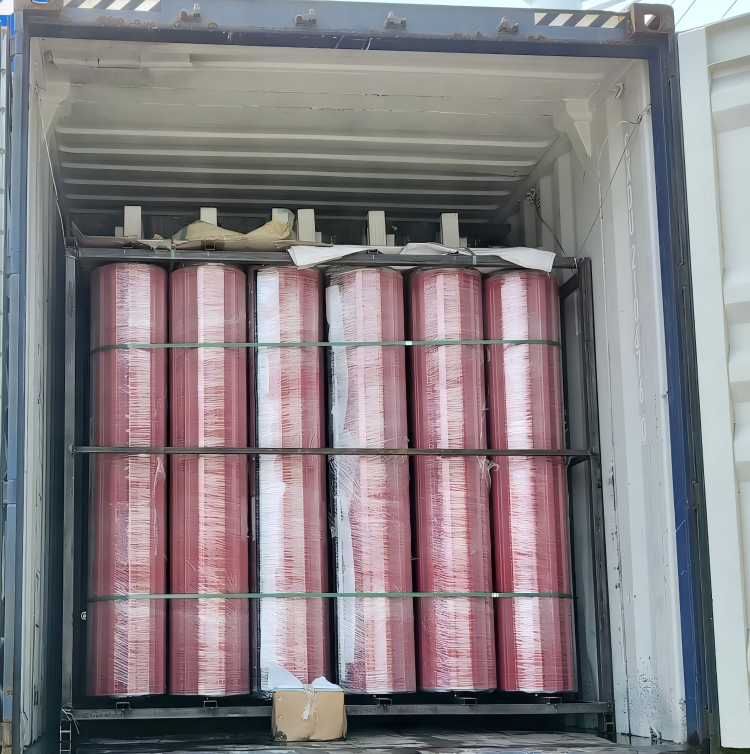
Buyers should also confirm the final packing arrangement and request photographs of the packaged products and loading process where available.
These records help overseas customers understand how their order was prepared for transportation.
In the StoreMore Texas project, Greevel provided packaging and loading photos after shipping arrangements were completed.
For international buyers, this type of communication offers greater visibility into the transition from factory production to shipment.
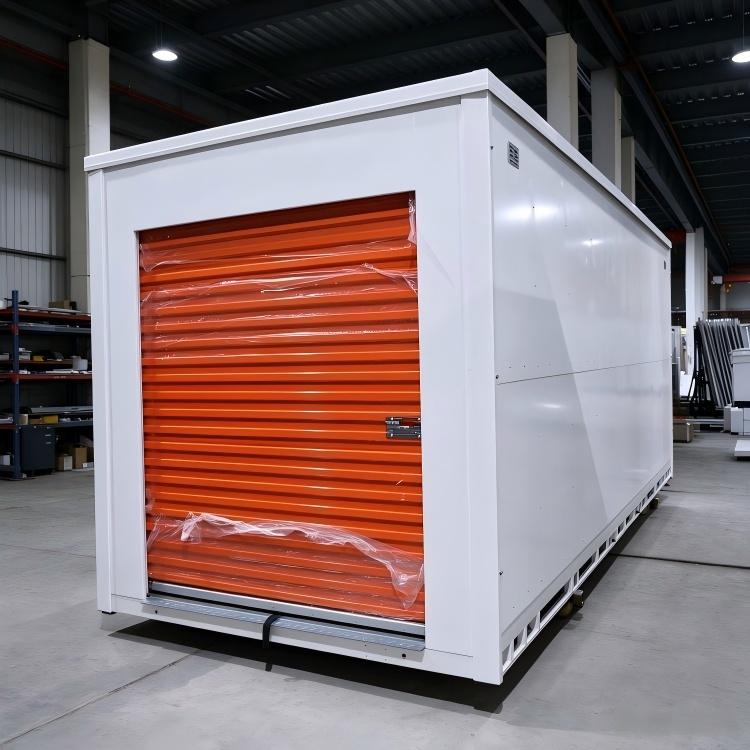
International shipping does not end when the vessel departs from China.
US buyers should plan for the next stages well before the shipment arrives.
Depending on the agreed shipping terms, the buyer or the appointed service provider may need to coordinate:
Import customs clearance
Applicable duties, taxes, and other charges
Port or terminal handling
Cargo release
Inland transportation
Unloading at the final destination
Assembly and site preparation
Buyers should identify who is responsible for each step before the shipment leaves the factory.
For self-storage operators, delivery planning also involves the receiving location.
Before the expected arrival date, consider whether the site has:
Sufficient space for truck access and unloading
Appropriate equipment for handling the shipment
A suitable area for unpacking and assembly
A clear plan for moving assembled units into position
Staff or contractors available when needed
These preparations can help reduce avoidable delays once the containers reach the site.
After a vessel departs, Greevel updates customers on the estimated time of arrival (ETA) and coordinates the telex release process in advance where applicable.
The actual arrival date can change due to shipping schedules, port conditions, and other transportation factors. Buyers should therefore continue checking shipment updates with their freight forwarder rather than treating an initial ETA as guaranteed.
Greevel's cooperation with StoreMore LLC provides a practical example of how shipping coordination fits into an international portable storage container project.
StoreMore LLC operates an outdoor self-storage facility in Weatherford, Texas, USA. The company first collaborated with Greevel on May 30, 2024.
During the project, StoreMore provided its product specifications and quantity requirements. After the quotation, contract, and drawing confirmation stages, Greevel coordinated the order through production and shipment preparation.
The cooperation process included several key shipping activities.
Greevel provided progress updates at important manufacturing milestones and shared an estimated ready-to-ship date so the customer could prepare freight arrangements.
Once the order was ready, Greevel prepared the RTS document for confirmation.
The customer could work with its own freight forwarder or request Greevel's assistance with checking freight rates and arranging shipping.
Greevel provided photographs of packaging and loading to give the customer visibility into the shipment preparation process.
After vessel departure, Greevel updated the customer on the estimated arrival time and arranged the telex release in advance.
The case records Houston, Texas, as the nearest port for the project. This was specific to the customer's circumstances and should not be taken as the appropriate destination port for every US shipment.
The StoreMore case demonstrates an important principle: effective international shipping depends on coordination between production, the manufacturer, the freight forwarder, and the receiving customer.
The shipping process is easier to manage when responsibilities and key dates are discussed before the order is ready.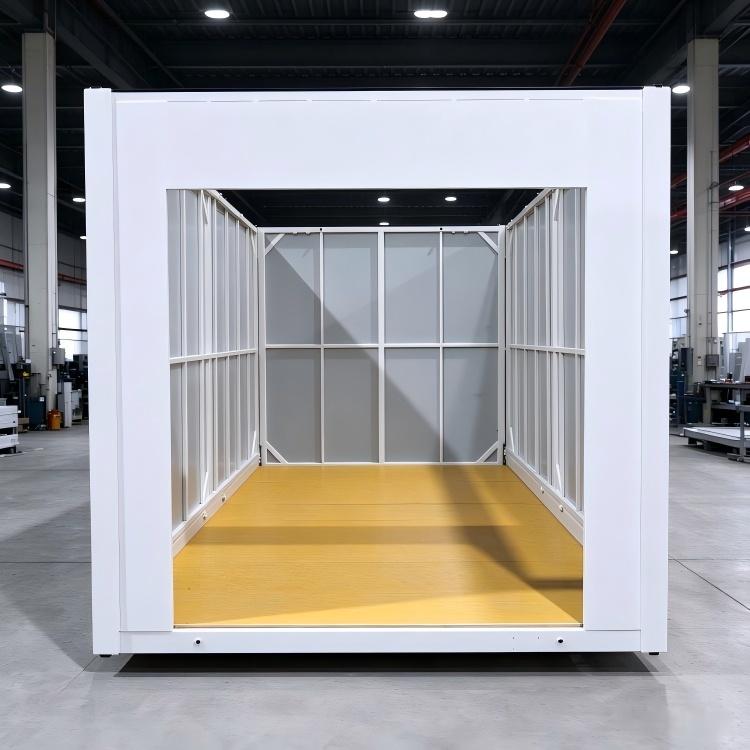
For self-storage operators purchasing multiple portable storage units, transportation planning can have a significant impact on project costs.
Rather than focusing exclusively on the unit price, buyers should evaluate the relationship between product design, packing configuration, and shipping expenses.
Here are four practical considerations.
Ask the manufacturer how the specific model is packed and how many units can be loaded into the planned shipping configuration.
Do not assume that different container sizes or models will have the same loading capacity.
Where available and suitable for the project, flat-pack or foldable containers may help reduce the space required for transportation.
However, buyers should confirm the actual packed dimensions, loading plan, and assembly requirements for their chosen model.
Share the estimated production completion date with your freight forwarder early enough to prepare a suitable booking plan.
The final booking should reflect actual cargo readiness and the forwarder's current schedule.
A useful comparison should consider more than the factory price and ocean freight.
Depending on the agreed terms, the full project budget may also include packing, export handling, port charges, import duties, customs brokerage, inland delivery, and assembly.
A complete cost comparison can help buyers make more informed purchasing decisions.
Before confirming your next order of portable storage containers from China, use this checklist to review the major logistics requirements.
Product and packing
Confirm the product specifications and quantity.
Confirm the packing method and packed dimensions.
Review the loading plan.
Understand any unloading and assembly requirements.
Freight arrangements
Choose your freight forwarder or discuss shipping assistance with the manufacturer.
Confirm the destination port and agreed shipping terms.
Clarify which services and charges are included.
Coordinate the estimated cargo-ready date.
Documents and shipment updates
Confirm the required shipping and customs documents.
Review the RTS information.
Request packaging and loading photos where available.
Keep the freight forwarder's contact details accessible.
Arrival and receiving
Confirm who is responsible for customs clearance.
Plan port release and inland transportation.
Prepare the receiving site and unloading equipment.
Arrange assembly and product inspection.
Keep communication open with the supplier after delivery.
Preparing these details early can help buyers avoid confusion and coordinate the shipment more effectively.
For overseas customers, choosing a manufacturer also means choosing a partner for communication and project coordination.
Greevel supports international portable storage container projects through a structured process that connects product requirements, drawing approval, production updates, shipment preparation, and delivery communication.
Our shipping-related support includes:
Preparing RTS information when the order is ready
Providing production progress updates
Coordinating with the customer's freight forwarder
Assisting with shipping arrangements when requested
Sharing packaging and loading photos
Updating customers on estimated arrival information
This approach helps customers understand the status of their orders and prepare for the next stage of the project.
Whether you operate a self-storage facility, manage a portable storage rental business, or distribute storage containers, early coordination between manufacturing and logistics can make the purchasing process more manageable.
Shipping portable storage containers from China to the USA requires coordination well beyond booking ocean freight.
Buyers should confirm the product and packing method, plan freight arrangements, review shipping documents, understand import responsibilities, and prepare the receiving site before the shipment arrives.
The StoreMore LLC project in Texas illustrates how Greevel coordinates production updates, RTS documentation, freight arrangements, loading information, and arrival communication as part of the broader customer journey.
The most effective shipping plan starts before production is finished.
By discussing logistics early and clarifying responsibilities with your manufacturer and freight forwarder, you can make more informed decisions and prepare your business for the arrival of your storage containers.
If you are planning to purchase portable storage containers from China, contact Greevel to discuss your product specifications, packing options, and shipping arrangements.
Greevel is a China-based manufacturer specializing in portable storage containers, self-storage containers, moving storage containers, and customized flat-pack storage solutions.
We work with international customers to confirm product requirements, coordinate manufacturing, provide production updates, and support shipping arrangements based on each project's needs.
Our goal is to help self-storage operators, rental businesses, moving companies, and distributors develop practical storage solutions supported by clear communication from order confirmation through delivery.