Buying portable storage containers from an overseas manufacturer involves more than choosing the right product and comparing prices. For self-storage operators and storage businesses, a successful project also depends on clear communication, accurate specifications, reliable production updates, and well-coordinated shipping arrangements.
When buyers and suppliers are thousands of miles apart, even a small misunderstanding can lead to unnecessary delays, incorrect configurations, or additional costs.
At Greevel, we believe effective communication is an essential part of delivering customized storage solutions. Our cooperation with StoreMore LLC, an outdoor self-storage operator in Weatherford, Texas, demonstrates how communication supports a project from the initial inquiry through production, shipping, and after-delivery follow-up.
When purchasing portable storage containers internationally, buyers cannot always visit the factory in person or check production progress themselves. They need a supplier who understands their requirements and keeps them informed throughout the project.
Clear communication helps overseas buyers:
Confirm product specifications before manufacturing begins.
Reduce misunderstandings about sizes, quantities, and configurations.
Understand production progress and estimated shipping schedules.
Coordinate freight arrangements and prepare for delivery.
Identify potential issues earlier and make informed decisions.
For self-storage operators, these factors are particularly important because purchased containers may be part of a larger facility expansion or business investment.
A competitive quotation is important, but the supplier's ability to communicate clearly throughout the order process should also be considered.
Good communication begins before the quotation is issued.
Rather than focusing only on product prices, manufacturers should understand how customers intend to use their containers, what specifications they require, and what their projects need to achieve.
For example, a self-storage operator may need specific container dimensions, door configurations, colors, or other customized features. These requirements should be clarified before production to help ensure that the finished products match the intended application.
At Greevel, we confirm key project details with customers before moving forward, including product specifications, quantities, intended use, and destination information.
This approach helps both parties establish a clear understanding of the project from the beginning.
The goal is not simply to sell a container. It is to provide a storage solution that fits the customer's business requirements.
Technical confirmation is one of the most important communication stages in a customized storage container project.
Even when a customer has selected a standard product, details such as door positions, dimensions, and optional configurations may need further confirmation.
Relying entirely on informal conversations or brief written descriptions can leave room for misunderstandings.
A more reliable approach is to prepare technical drawings based on the agreed requirements and obtain the customer's approval before formal production begins.
This process helps both sides confirm the intended design and provides a reference for the manufacturing team.
In Greevel's cooperation with StoreMore LLC, technical drawings were prepared after the order arrangements were completed, and customer approval was obtained before production was scheduled.
This step helped establish a clear design reference before manufacturing began.
For overseas buyers, it is worth confirming the following details in writing:
Product dimensions and quantities
Door type and door positions
Color and customization requirements
Optional features and insulation requirements, where applicable
Any other project-specific specifications
The more clearly these details are confirmed in advance, the easier it is to manage expectations throughout production.
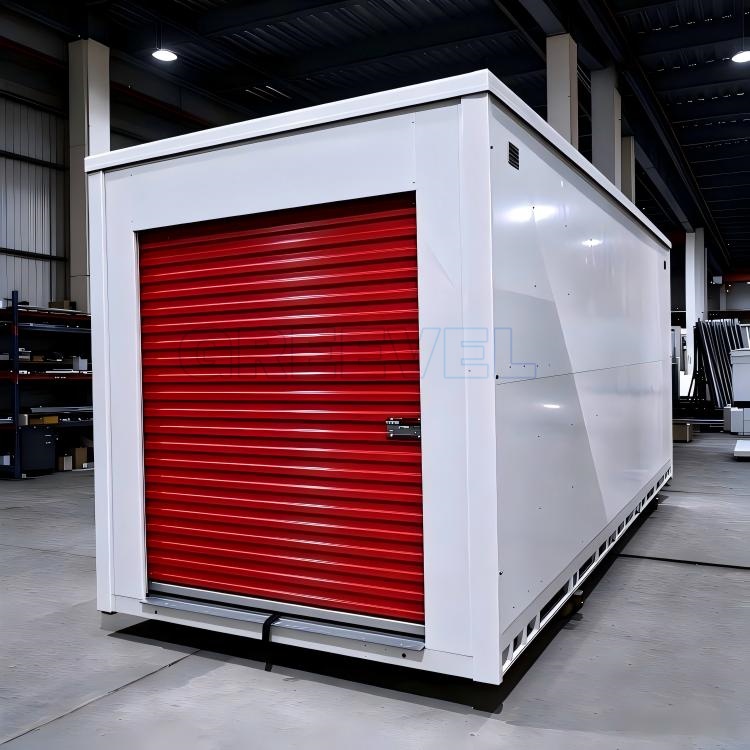
After production begins, communication remains important.
Overseas customers may need to coordinate site preparation, workforce arrangements, transportation, or other business activities around the expected delivery schedule. Without production updates, it can be difficult to plan these activities with confidence.
At Greevel, we provide customers with progress updates at key manufacturing milestones, including welding completion and assembly completion, together with an estimated ready-to-ship date.
These updates help customers understand how their orders are progressing rather than waiting until manufacturing is finished to receive news.
Regular communication also creates opportunities to clarify questions before the next stage begins.
For buyers, a useful question to ask a supplier is not only, "When will my order be finished?" but also, "What progress updates will I receive during production?"
A clear update schedule helps establish realistic expectations and makes the cooperation more transparent.
Manufacturing completion does not mean the entire project is finished. International shipping requires additional coordination between the supplier, buyer, and freight forwarder.
Before shipment, both sides need to understand the ready-to-ship status, packaging arrangements, loading details, and next steps.
For overseas customers, visibility into these arrangements can make it easier to coordinate their own logistics and prepare for the shipment.
In the StoreMore LLC project, Greevel prepared ready-to-ship documentation and supported the customer with shipping coordination. The customer could use its own freight forwarder or ask Greevel to check current freight rates and assist with arranging shipment.
Greevel also provided packaging and loading photos so the customer could review how the goods were prepared for transportation.
After the vessel departed, Greevel continued communicating the estimated time of arrival and arranging telex release in advance.
These steps illustrate why communication should continue beyond the factory gate. Buyers benefit when the supplier clearly explains the shipment status and the actions required at each stage.
Before a shipment leaves the factory, buyers should confirm:
Whether the order is ready for shipment
The packaging and loading arrangements
The required shipping documents
The booking and estimated sailing schedule
The estimated arrival information available at that stage
The responsibilities of the supplier, buyer, and freight forwarder
The exact arrangements will depend on the order and shipping agreement, but clear communication helps all parties understand their responsibilities.
A supplier's responsibility should not end simply because the goods have left the factory.
For portable storage containers, customers may still need to unload, unpack, assemble, and prepare the units for use. Following up after delivery allows the supplier to understand how the products perform during these practical stages and whether further assistance is needed.
In the StoreMore LLC project, Greevel asked the customer to share photos or videos during unloading, unpacking, and assembly, as well as after assembly.
This follow-up helped Greevel understand the customer's experience beyond manufacturing and shipping.
For buyers, post-delivery communication also provides an opportunity to raise questions and share feedback. For manufacturers, it offers valuable insight into how products are received and assembled in real operating environments.
A reliable supplier should be willing to maintain communication after shipment and remain attentive to the customer's experience.
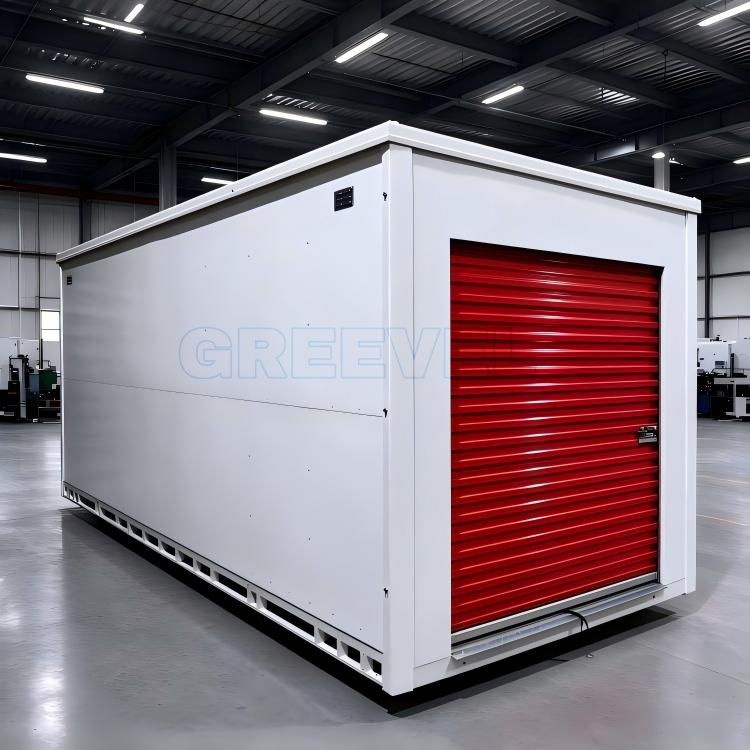
StoreMore LLC operates an outdoor self-storage facility in Weatherford, Texas, USA. The company first contacted Greevel through Alibaba, providing its requirements and project information.
The cooperation involved several communication stages:
Requirement confirmation: Greevel confirmed the customer's product specifications, quantities, intended use, and relevant order details.
Design approval: Technical drawings were prepared and approved before formal production scheduling.
Manufacturing updates: Greevel shared progress information at key stages, including welding and assembly completion, along with the estimated ready-to-ship date.
Shipping coordination: Greevel prepared ready-to-ship documentation, supported freight coordination, and provided packaging and loading photos.
Shipment updates: After vessel departure, Greevel communicated the estimated arrival information and arranged telex release in advance.
After-delivery follow-up: Greevel requested photos and videos of unloading, unpacking, and assembly to better understand the customer's experience.
Following assembly, the customer expressed satisfaction with the project.
This case illustrates how structured communication can connect the different stages of an overseas order. Instead of treating quotation, manufacturing, shipping, and delivery as separate activities, Greevel approaches them as parts of one coordinated customer experience.
For buyers comparing portable storage container manufacturers, communication quality can be assessed before signing a contract.
Consider asking the following questions:
Does the supplier clarify my requirements before preparing a quotation?
Will I receive technical drawings for approval before production?
How will production progress be communicated?
Will the supplier provide packaging and loading information?
Can the supplier coordinate with my nominated freight forwarder?
Who should I contact if questions arise during shipping or after delivery?
Pay attention not only to how quickly a supplier replies to the first inquiry, but also to whether the answers are specific, consistent, and relevant to your project.
A professional supplier should be able to explain the next steps clearly and identify which details need confirmation before proceeding.
These practices can help buyers make more informed decisions and establish a stronger working relationship with an overseas manufacturer.
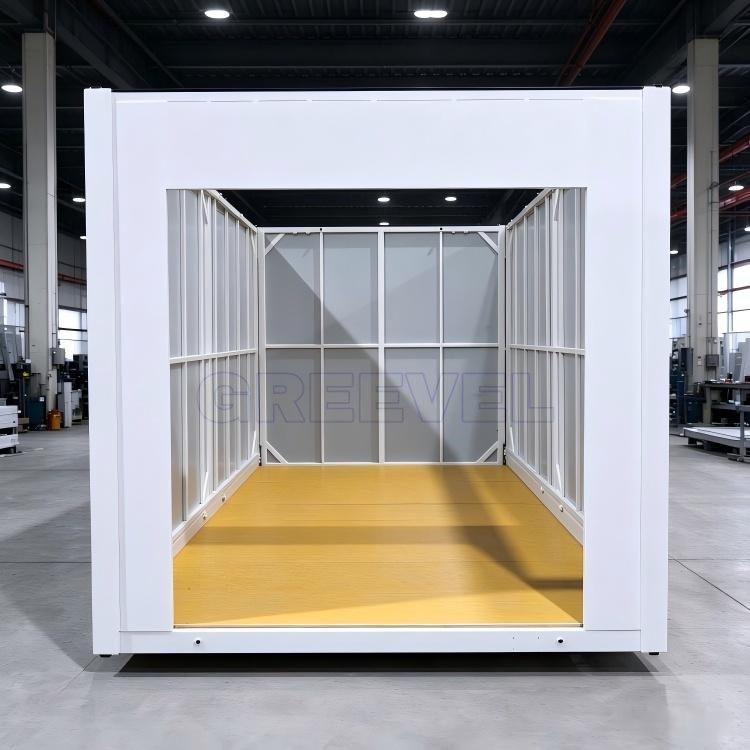
Greevel specializes in self-storage containers, mobile storage containers, and flat-pack storage containers for customers with different storage requirements.
Our approach focuses on understanding each customer's business needs and maintaining communication throughout the cooperation process.
From initial requirement confirmation and technical drawing approval to manufacturing updates, shipping coordination, and after-delivery follow-up, we aim to help customers understand each stage of their projects.
Whether you are expanding an existing self-storage facility, developing a portable storage rental business, or sourcing customized storage containers, clear communication helps connect product specifications with practical business requirements.
We believe that long-term cooperation is built not only on product quality and competitive pricing, but also on transparency, responsiveness, and a clear understanding of customer needs.
Buying portable storage containers overseas requires trust, coordination, and attention to detail. Clear communication helps buyers and suppliers confirm expectations, monitor progress, coordinate shipping, and address questions throughout the project.
Greevel's cooperation with StoreMore LLC in Texas demonstrates how communication can support an order from the initial inquiry through design approval, production, shipping, and after-delivery follow-up.
For overseas buyers, choosing a supplier who communicates clearly is an important step toward a smoother purchasing experience and a stronger long-term business relationship.
At Greevel, we do more than manufacture storage containers. We work with customers to develop storage solutions based on their business needs.