Self-storage has become an essential solution for individuals and businesses seeking flexible space for belongings, inventory, or equipment. With growing demand, entrepreneurs and property owners are exploring efficient ways to establish self-storage facilities without committing to heavy construction projects. One increasingly popular approach is leveraging portable storage units. Here’s how to make the most of them.
Portable storage units are prefabricated containers designed for storage and transport. They come in standardized sizes, such as 20-foot or 40-foot units, and are typically made from durable steel with weather-resistant coatings. Unlike traditional permanent storage buildings, portable units can be delivered, stacked, and rearranged according to need, providing exceptional flexibility. Many models also include features such as roll-up or swing doors, ventilation, and forklift pockets for easy handling.
Before deploying portable units, site selection is crucial. A self-storage facility does not require a massive plot, but the land must be level, accessible, and compliant with local zoning regulations. Consider traffic flow for customers, delivery trucks, and emergency access. Planning should also include unit layout: units can be arranged in rows with aisles for vehicle access, and stacking units vertically can maximize space on limited land.
One of the primary advantages of portable units is cost efficiency. Building a traditional storage facility involves extensive construction, permits, labor, and time. In contrast, portable units reduce upfront investment because they arrive ready to use. They also allow facility owners to scale operations gradually: additional units can be added as demand grows, eliminating the risk of overbuilding. Maintenance costs are typically lower as well, since the steel structure is durable and resistant to pests and weather.
Portable units provide unmatched flexibility. They can be customized to meet specific needs: adding insulation for temperature-sensitive items, applying waterproof coatings, or painting units to match branding. Door options—swing or roll-up—allow operators to choose between ease of access and security. Units can be relocated on-site or to a new location entirely, making it easy to adapt to changing market conditions or expand into new areas.
Efficient management is key to a successful self-storage facility. Portable units can be outfitted with security systems, such as cameras, alarms, or access codes, ensuring customer confidence. Clear signage and unit numbering simplify navigation, while on-site staff or automated management systems can streamline rentals. Because units are modular, sections of the facility can be closed or opened based on occupancy, maintaining operational efficiency.
When establishing a self-storage facility with portable units, marketing should emphasize convenience, flexibility, and affordability. Many customers appreciate short-term rental options, drive-up access, and the ability to move units on demand. Highlighting these benefits through online listings, local advertising, and partnerships with moving companies can attract a wide range of clients, from individuals storing household goods to businesses storing inventory.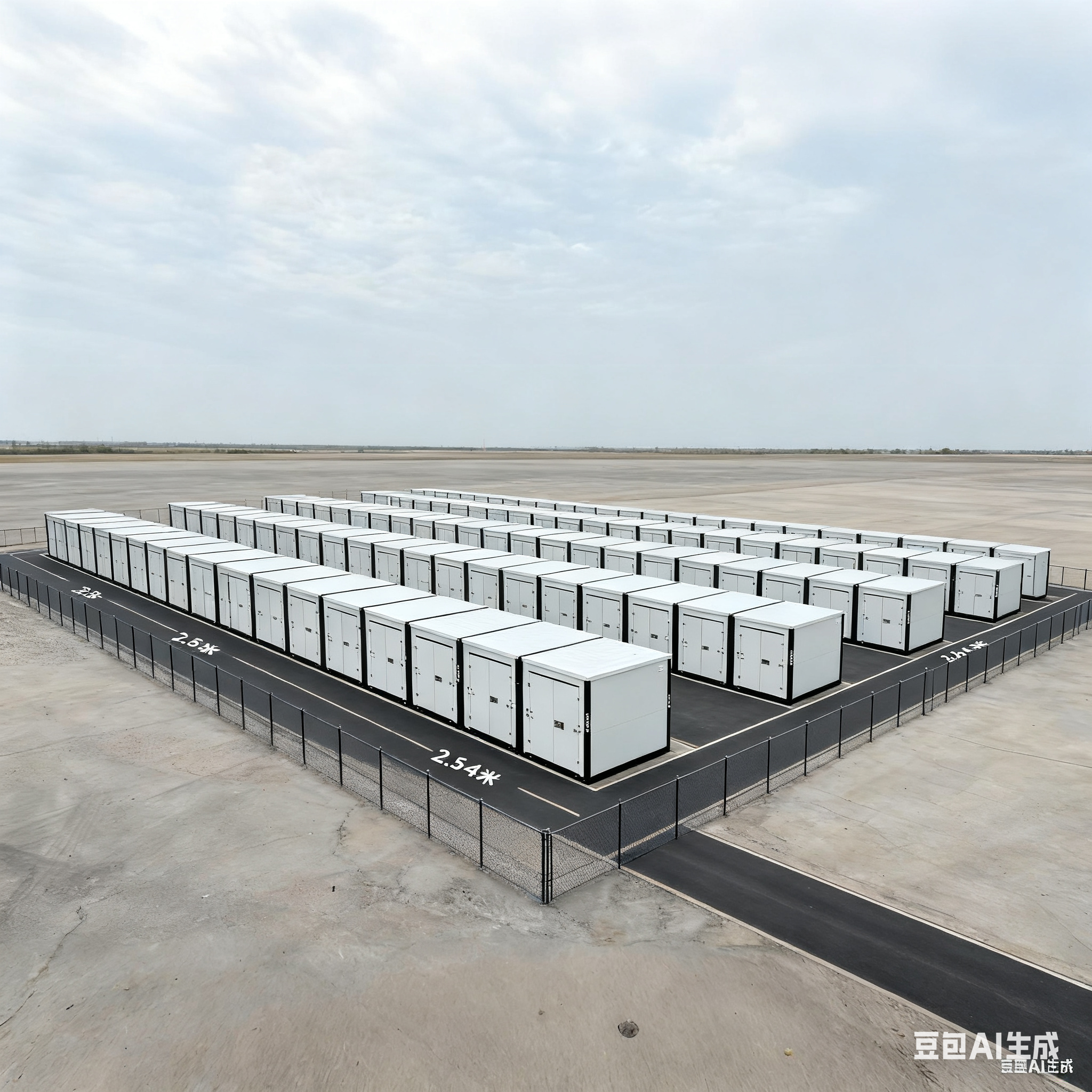
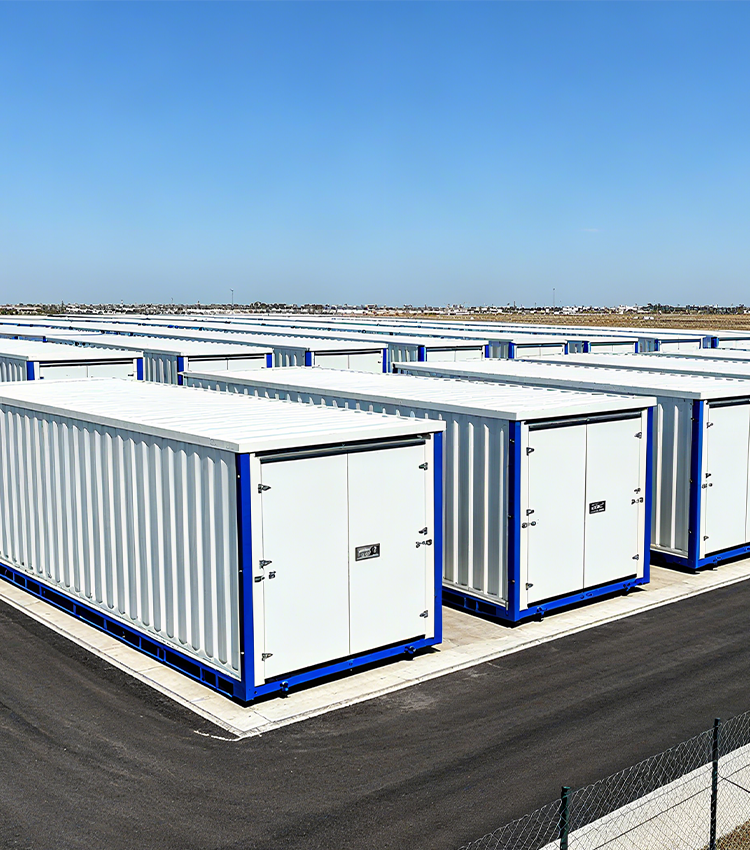
Using portable storage units can also support sustainability goals. Units are reusable, reducing construction waste compared to permanent buildings. Modern units can be painted with eco-friendly coatings and insulated to reduce energy usage. Additionally, the modular nature of portable units allows for facility expansion without additional construction, minimizing environmental impact.
Building a self-storage facility with portable units offers a practical, cost-effective, and scalable solution. Their flexibility, durability, and ease of deployment make them ideal for entrepreneurs looking to enter the self-storage market quickly. By carefully selecting a site, planning unit layout, customizing units for specific needs, and implementing efficient management practices, facility operators can create a profitable self-storage business that meets growing demand while minimizing upfront costs. Portable units are not just temporary storage solutions—they are a strategic foundation for modern self-storage facilities.