University life today looks very different from a decade ago. Students are more mobile, more entrepreneurial, and more independent — but they are also dealing with tighter living spaces and more frequent transitions. As a result, storage has quietly become an essential part of the modern student experience.
This article explores why storage demand among university students is increasing and how practical storage container solutions can meet those needs.
Many students move at least twice a year:
Moving out of dorms during summer break
Changing shared apartments
Studying abroad for one semester
Completing internships in another city
In countries like Australia, United States, and United Kingdom, student housing contracts often do not align perfectly with academic calendars. This creates “gap periods” where students need temporary storage for 1–3 months.
Instead of selling furniture at a loss or transporting everything back home, students increasingly look for flexible, short-term storage options.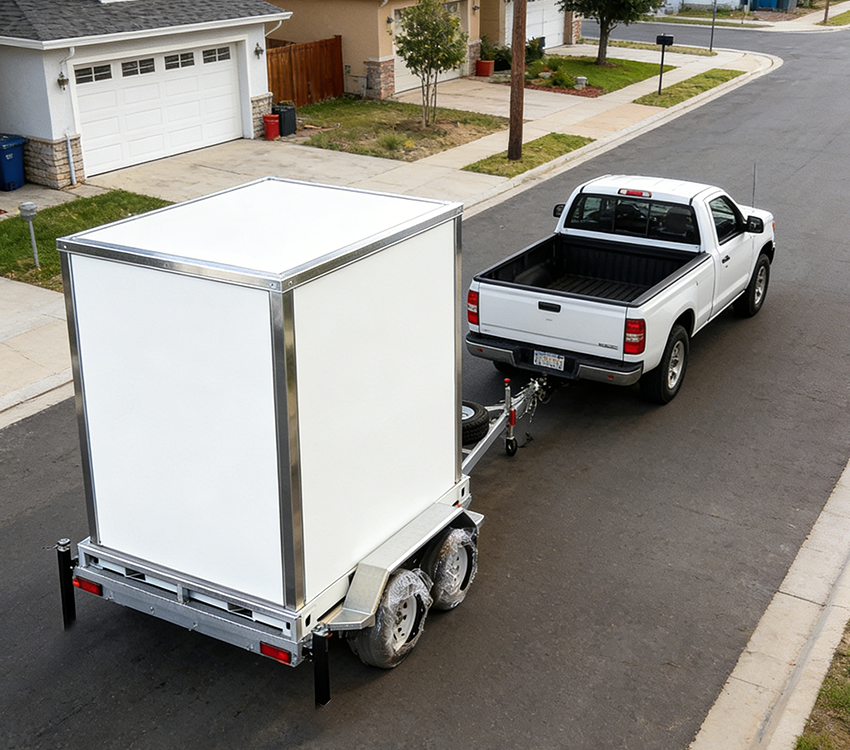
Modern student accommodation is compact. Micro-apartments and shared flats maximize affordability but limit personal storage space. At the same time, students own more items than before:
Laptops, monitors, gaming equipment
Sports gear (bikes, surfboards, skis)
Business inventory for side hustles
Seasonal clothing
The result? Limited space and growing clutter.
Efficient external storage containers allow students to keep their essentials organized without overcrowding their daily living space.

Today’s university students are not just learners — many are small business owners.
They run:
Online stores
Dropshipping businesses
Handmade product brands
Social media merchandise lines
For these students, storage is no longer just about personal belongings. It becomes inventory management.
Traditional self-storage facilities can work, but they may not always provide the flexibility, location convenience, or scalability that young entrepreneurs need. Modular storage containers offer a practical alternative — especially when placed closer to campuses or residential areas.
International education continues to grow. Students studying abroad often face additional storage challenges:
Storing belongings during visits home
Leaving items safely between academic years
Sharing space with roommates from different countries
For these students, secure, weather-resistant storage is essential. Durable containers designed to international standards offer better protection against humidity, dust, and damage — especially in coastal cities.
Students are particularly sensitive to security issues. Expensive electronics, personal documents, and valuable items need protection.
Modern storage containers can include:
Reinforced steel structures
Secure locking systems
Forklift pockets for controlled movement
Anti-condensation treatment
These features provide a higher level of confidence compared to temporary or improvised storage solutions.
University students are highly price-conscious. They look for solutions that are:
Flexible in rental duration
Affordable per month
Easy to access
Simple to relocate
This is where modular storage containers stand out. Compared with traditional building construction, container-based storage facilities are faster to deploy, scalable, and more cost-effective for operators. That cost efficiency can translate into more competitive pricing for student customers.
Container-based storage offers several advantages in student-focused markets:
Mobility – Units can be relocated as campuses expand or demand shifts.
Scalability – Operators can start small and add units gradually.
Durability – Built to shipping container standards for long-term use.
Customizability – Options such as single-end doors, roll-up doors, color customization, and stacking design.
Flat-pack storage containers provide additional logistics advantages. Multiple units can be shipped in one 40HQ container, significantly reducing freight cost. This makes them attractive for distributors and self-storage operators targeting university cities.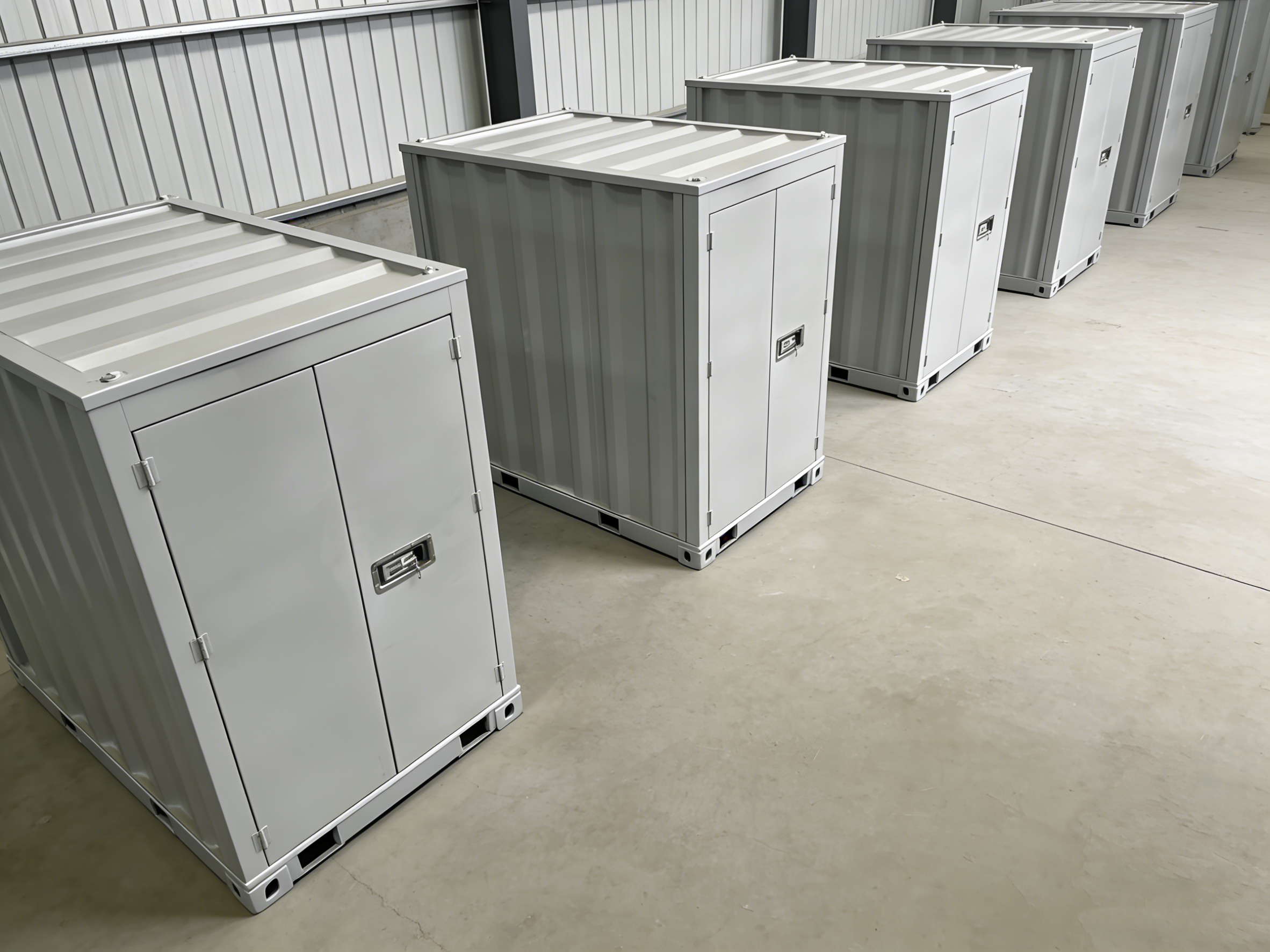
As higher education becomes more flexible — with hybrid learning, internships, and global exchange programs — mobility will continue to increase. Storage demand will grow accordingly.
Smart operators who understand the lifestyle of modern students can build efficient, container-based storage solutions near campuses, residential hubs, and mixed-use developments.
University students today value flexibility, affordability, and convenience. Storage is no longer a luxury — it is an essential support service for academic mobility and entrepreneurial growth.
Well-designed storage containers offer a practical, scalable, and durable solution to meet this demand. Whether for personal belongings, seasonal items, or small business inventory, modern container-based systems provide a reliable foundation for the next generation’s storage needs.