The global storage container market is experiencing steady expansion, driven by booming e‑commerce logistics, construction site demands, industrial warehousing, and the rise of modular mobile spaces. Valued at approximately USD 51.5 billion in 2025, the sector is projected to grow at a CAGR of 6.9% from 2027 to 2033, reaching USD 87.8 billion by 2033.
Key growth pillars include intermodal transportation efficiency, sustainability mandates, smart IoT integration, and strong demand across North America, Europe, and Asia‑Pacific. Portable, flat‑pack, insulated, and custom‑modified containers are capturing growing share as businesses prioritize flexibility, security, and cost control.
Market Drivers
-
E‑commerce & Supply Chain Resilience
Surging cross‑border retail and third‑party logistics (3PL) expansion have lifted demand for secure, stackable dry storage containers. Just‑in‑time inventory models and temporary warehousing needs further accelerate adoption across retail, manufacturing, and agricultural sectors.
-
Construction & On‑Site Operations
Construction, mining, and infrastructure projects rely heavily on mobile storage for tools, materials, and equipment. Short‑term rental and flexible delivery models make storage containers a cost‑effective alternative to permanent buildings.
-
Modular & Repurposed Space Demand
Containers are increasingly converted into offices, pop‑up retail, site accommodation, and mobile clinics. This trend expands market reach beyond traditional logistics into commercial and residential modular solutions.
-
Sustainability & Circular Economy
Eco‑friendly production (low‑VOC coatings, recycled steel), energy‑efficient designs, and reusable container programs align with global carbon reduction targets. Recycled and repurposed containers lower both cost and environmental footprint.
-
Smart & Connected Solutions
IoT sensors, GPS tracking, temperature monitoring, and security locks are becoming standard in new units. Smart containers improve inventory visibility, reduce loss, and support compliance in cold chain and high‑value cargo segments.
Key Product Segments & Demand Trends
-
Dry Storage Containers
The largest segment, dominated by 20ft and 40ft standard/high‑cube units. Preferred for general cargo, retail inventory, and industrial storage due to durability, weather resistance, and intermodal compatibility.
-
Insulated & Thermal Containers
Strong growth in food, beverage, pharmaceuticals, and electronics. Insulated walls and temperature control maintain product integrity, supporting cold chain and climate‑sensitive storage.
-
Flat‑Pack & Portable Containers
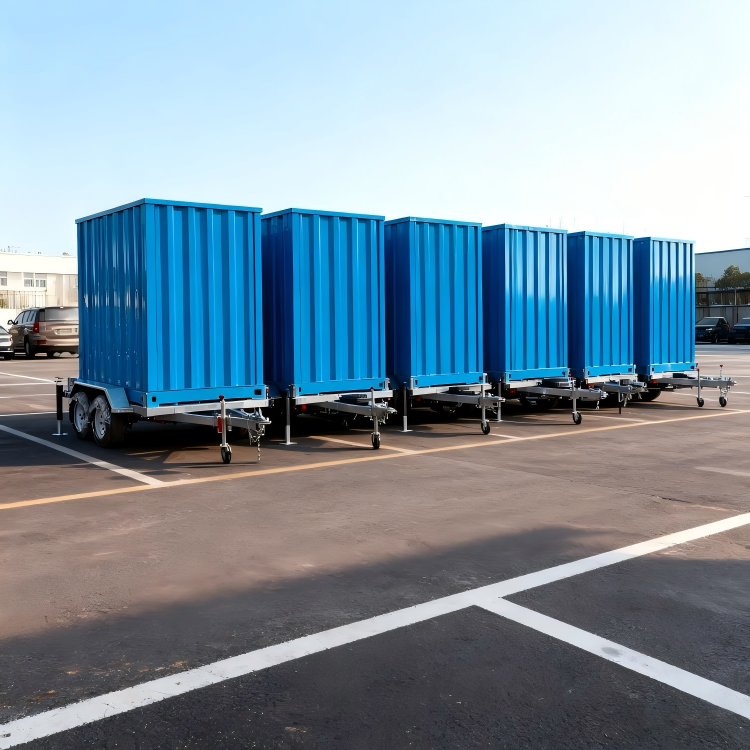
High demand for easy shipping, quick assembly, and compact storage. Ideal for small businesses, residential use, events, and remote sites with limited access.
-
Specialized & Modified Containers
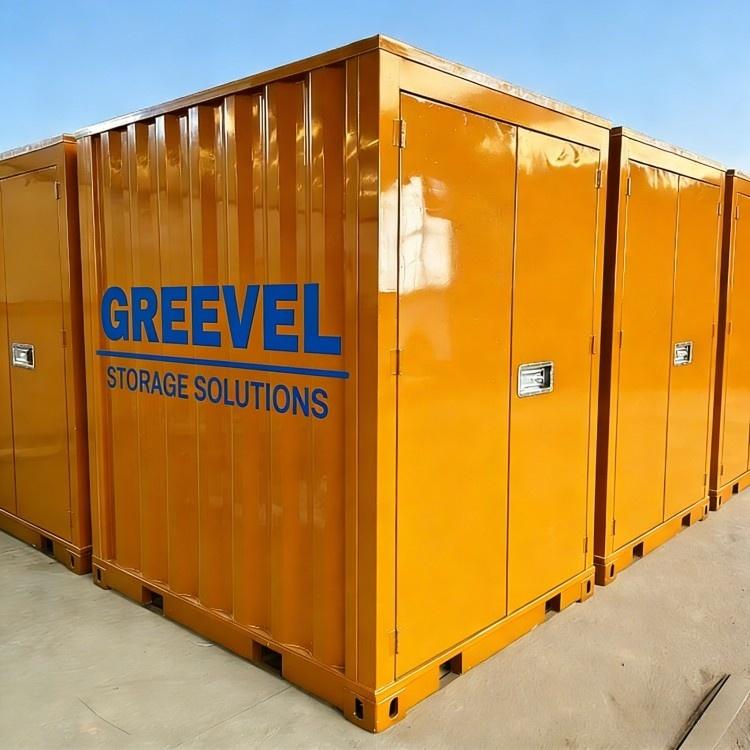
Custom modifications including double doors, side doors, shelving, lighting, and ventilation. Popular for on‑site offices, workshops, and secure archival storage.
-
Refrigerated (Reefer) Containers
Accelerated growth driven by perishables, pharmaceuticals, and global food trade. Reefer capacity expansion supports longer‑distance transport and extended storage cycles.
Regional Market Overview
-
North America
Largest consumer market, fueled by construction, e‑commerce, and mobile storage services. Strong demand for rental fleets, smart security features, and eco‑friendly units. The U.S. and Canada lead in container repurposing and modular building projects.
-
Europe
Steady growth supported by strict sustainability regulations, infrastructure investment, and circular economy policies. Germany, the UK, and Nordic countries prioritize low‑carbon, trackable, and reusable container solutions.
-
Asia‑Pacific
Holds nearly 50% of global market share, driven by manufacturing hubs, port logistics, and rapid urbanization. China leads production and export, with rising domestic demand for e‑commerce fulfillment and construction storage.
Competitive Landscape
The market features a mix of global manufacturers, regional rental providers, and custom modification specialists. Top players focus on:
- Expanding rental and leasing models
- Investing in smart and sustainable product lines
- Building integrated logistics and delivery networks
- Custom engineering for industrial and modular applications
Price competition remains stable, with value shifting toward quality, certification, and after‑sales support.
Key Challenges
-
Raw Material Price Volatility
Fluctuations in steel and aluminum impact production costs and pricing stability.
-
Transport & Logistics Costs
High fuel and haulage expenses affect unit delivery, especially for remote and regional markets.
-
Regulatory & Certification Compliance
Varying standards for safety, environmental, and transportation certification add complexity to cross‑border sales.
-
Second‑Hand Market Pressure
A large supply of used containers creates price competition for new units, especially in price‑sensitive segments.
Future Outlook & Opportunities (2026–2035)
-
Smart Container Penetration
IoT and connected units will exceed 30% of new orders, driven by real‑time tracking and data analytics.
-
Sustainability as a Differentiator
Solar‑powered units, recycled materials, and carbon‑neutral production will become key purchasing factors.
-
Modular Space Expansion
Container‑based offices, housing, and retail will open new high‑margin revenue streams.
-
Rental & Subscription Models
Long‑term rental and flexible subscription services will grow faster than direct sales, especially for SMEs.
-
Emerging Market Growth
Infrastructure projects in Southeast Asia, Africa, and South America will drive incremental demand for portable and durable storage solutions.
Conclusion
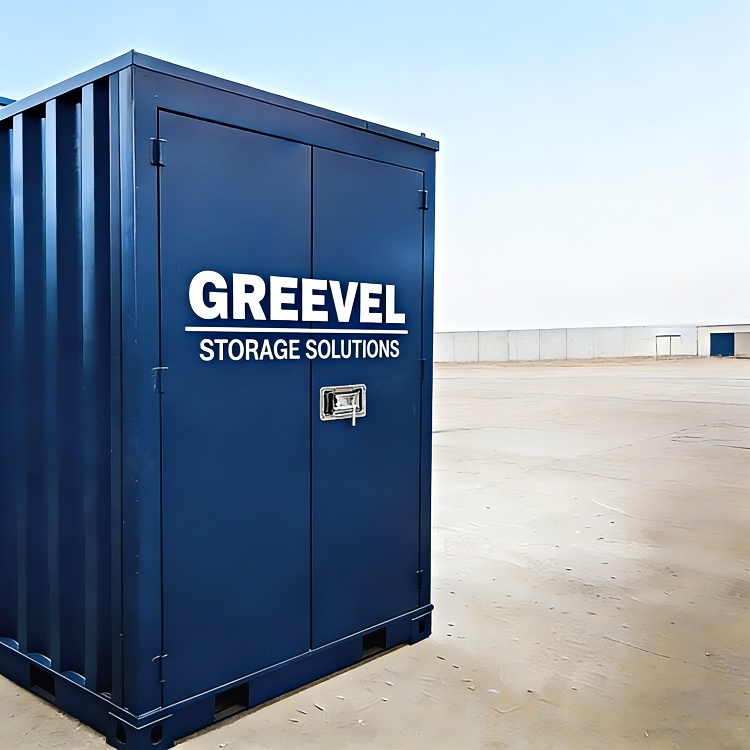
The storage container industry is evolving from a pure logistics commodity to a versatile, tech‑enabled solution for modern business and living needs. Growth will be sustained by supply chain restructuring, sustainability mandates, modular innovation, and expanding end‑use applications. Companies that offer customized, smart, eco‑friendly, and service‑integrated solutions will capture the strongest market share in the coming decade.
Whether for industrial storage, construction site support, cold chain logistics, or modular space development, storage containers remain a cost‑efficient, scalable, and future‑proof asset for global operations.
