In an era of global cold-chain expansion, e-commerce growth, and strict quality regulations, insulated storage containers have evolved from optional equipment to a core necessity for food, pharmaceuticals, electronics, and agricultural industries. They safeguard product integrity, cut operational losses, and support sustainable logistics across every stage of storage and transit.
Secure Temperature Control for Sensitive Goods
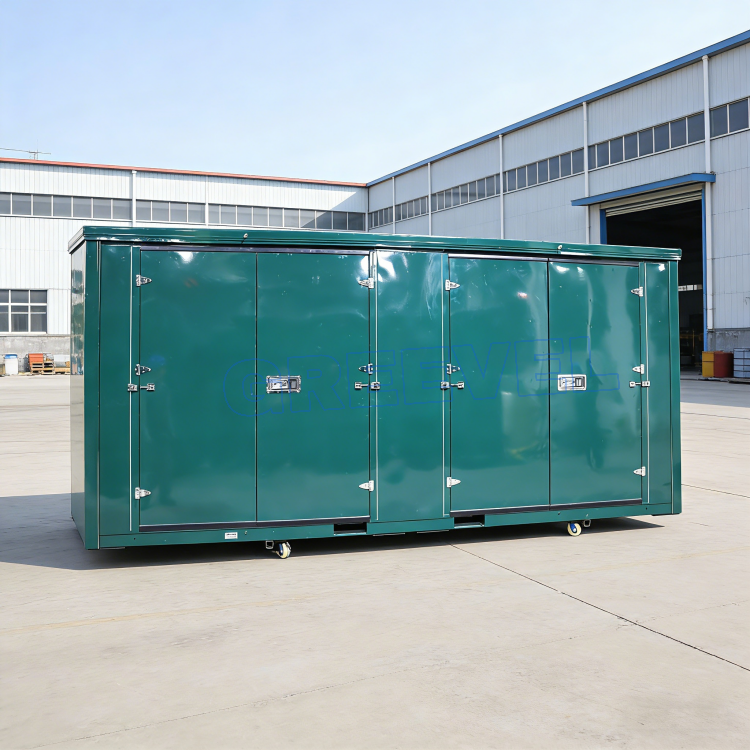
Many commodities, including fresh food, vaccines, biological reagents, precision instruments, and chemical raw materials, have extremely strict requirements for environmental temperature. Even short-term temperature deviations can lead to spoilage, failure, or performance degradation.Insulated storage containers rely on high-density thermal insulation materials and sealed structural design to form a stable temperature-isolated space, effectively blocking external heat exchange and maintaining a constant internal environment. This reliable temperature control greatly reduces quality risks.
Reducing Financial Losses and Improving Profit Margins
Temperature-related damage causes huge economic losses for enterprises every year, including spoiled goods, returned orders, compensation costs, and brand reputation losses. By using insulated storage containers, companies can significantly extend the effective preservation period of goods, reduce the scrapping rate and re-transportation costs, and improve overall operational efficiency. With improved product stability, customer satisfaction increases, and order stability is further enhanced, directly boosting profit margins and long-term operational benefits.
Compliance with Industry and Regulatory Standards
In the pharmaceutical industries, regulatory authorities around the world have formulated strict temperature control and traceability standards. Failure to meet these standards may result in goods being detained, fined, or even banned from the market. Insulated storage containers provide a physically stable temperature environment, helping enterprises comply with industry norms and quality management systems. This not only speeds up customs clearance and inspection processes but also enhances the professional image and credibility of enterprises in global trade.
Enhancing Logistics Flexibility and Operational Efficiency
Modern supply chains demand multi-point storage, cross-regional transit, and last-mile delivery. Insulated containers are lightweight, stackable, and compatible with standard handling equipment, supporting flexible warehousing and fast loading/unloading. They also reduce reliance on fixed cold rooms, enabling mobile, on-demand temperature control for seasonal goods and emergency logistics.
Eco-Friendly and Cost-Effective Long-Term Choice
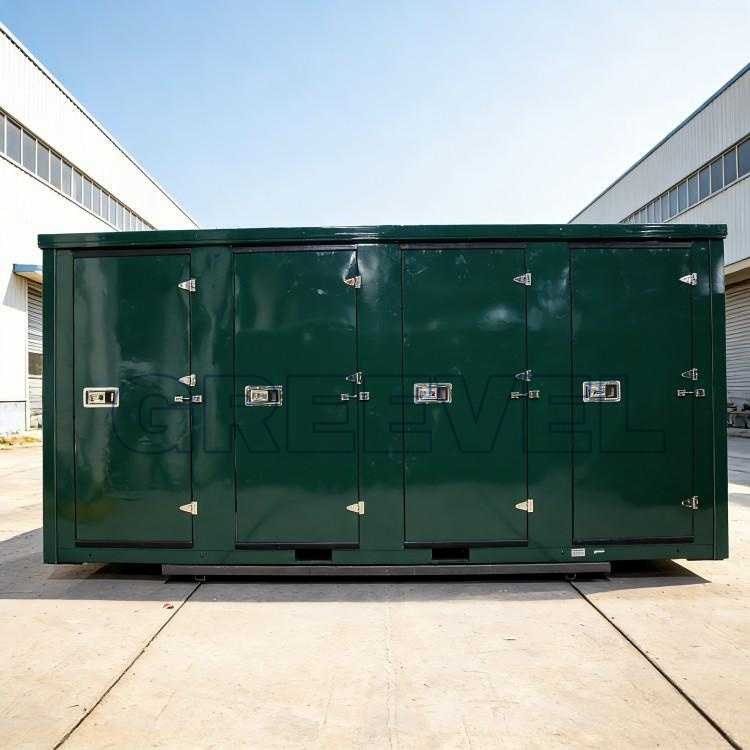
High-performance insulated storage containers use durable, reusable materials such as EPP and PU foam, replacing single-use packaging and cutting plastic waste. Their stable thermal performance lowers energy use for cooling and heating, while robust construction supports hundreds of reuse cycles. This reduces total cost of ownership and aligns with corporate ESG and low-carbon goals.
Summary
Insulated storage containers are no longer a supplementary tool but a foundational investment for modern supply chains. They deliver reliable temperature control, minimize product loss, ensure regulatory compliance, boost logistics agility, and drive sustainable operations. For businesses handling temperature-sensitive goods, adopting insulated storage solutions is essential to stabilize quality, control costs, and maintain competitiveness in global markets.
