The storage container industry is undergoing a profound transformation, driven by global supply chain evolution, e-commerce expansion, technological innovation, and sustainability mandates. Once viewed as simple steel boxes for cargo transport, modern storage containers have evolved into versatile, intelligent, and eco-friendly solutions powering logistics, construction, retail, and even residential sectors.
As we head into 2026, five core trends are redefining the landscape—
smart digitization, sustainability & circular economy, vertical automation, specialized customization, and modular multi-purpose adoption—creating unprecedented opportunities for businesses worldwide.
1. Smart & Intelligent Containers: Data-Driven Efficiency Takes Center Stage
The rise of the Internet of Things (IoT) and artificial intelligence (AI) has turned traditional storage containers into "smart assets," revolutionizing inventory management, tracking, and maintenance. This trend is no longer optional—it’s a competitive necessity for logistics providers and businesses relying on storage solutions.
- Real-Time Tracking & Monitoring: IoT-enabled sensors embedded in containers now offer 24/7 visibility into location, temperature, humidity, pressure, and even door access. For industries like pharmaceuticals, food & beverage, and electronics—where cargo integrity is critical—this eliminates risks of spoilage, theft, or damage. The global smart container market is projected to grow at a CAGR of 19.6% from 2024 to 2030, reflecting surging demand for data-driven storage.
- Predictive Maintenance: AI algorithms analyze sensor data to predict wear and tear (e.g., rust, structural cracks, or faulty seals) before failures occur. This reduces unplanned downtime, extends container lifespans, and cuts maintenance costs by up to 30%—a game-changer for fleet operators managing hundreds or thousands of units.
- Cloud Integration & Blockchain: Cloud-based platforms centralize container data, allowing businesses to manage fleets remotely, optimize allocation, and streamline reporting. Blockchain technology further enhances transparency by creating immutable records of container movements, repairs, and ownership—critical for global trade compliance and reducing fraud.
2. Sustainability & Circular Economy: Eco-Friendly Solutions Lead the Charge
Sustainability has shifted from a buzzword to a core business driver in the storage container industry, aligned with global net-zero goals and stricter environmental regulations (e.g., EU’s Carbon Border Adjustment Mechanism, U.S. EPA emissions standards). The focus is on reducing carbon footprints, reusing materials, and eliminating waste across the container lifecycle.
- Recycled & Low-Carbon Materials: Traditional shipping containers are made of corten steel, but manufacturers are increasingly using recycled steel (up to 90% recycled content) and corrosion-resistant, low-alloy steels that reduce energy use during production. Some innovators are also experimenting with composite materials (e.g., fiberglass-reinforced plastic) for lightweight, durable, and fully recyclable containers—ideal for non-shipping storage applications.
- Energy-Efficient Containers: Energy-efficient insulation and reflective coatings reduce heating/cooling costs for temperature-sensitive storage, aligning with green logistics targets. The global green logistics market is expected to reach $3,200 billion by 2027, driving demand for eco-friendly storage solutions.
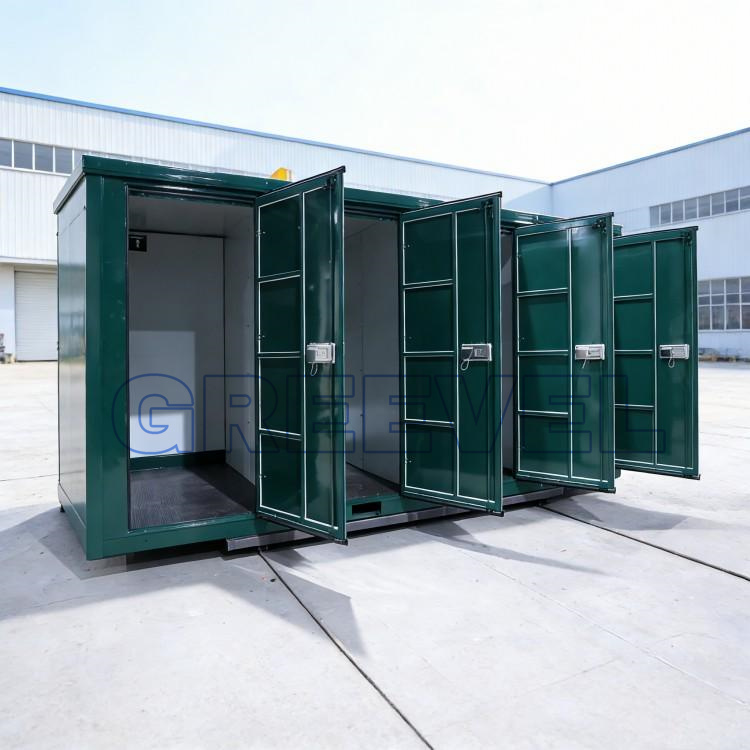
3. Vertical Automation & High-Density Storage: Maximizing Space in Urban & Port Areas
As land prices soar—especially in major ports, urban logistics hubs, and industrial parks—space optimization has become a top priority. Traditional horizontal container yards are inefficient and land-intensive. The solution? Fully automated vertical high-bay warehouses that revolutionize storage density and handling speed.
- AI-Powered Automation & Speed: AI algorithms optimizing placement (heavy containers at the bottom, light at the top) and retrieval. This boosts handling speeds threefold compared to manual yards, reducing wait times for trucks and ships.
- Urban Logistics Enablement: Vertical storage is a game-changer for urban areas, where space is scarce. Miniature automated vertical container hubs are being deployed in city centers to support last-mile e-commerce delivery, reducing traffic congestion and emissions from traditional warehouses.
4. Specialized & Customized Containers: Tailored Solutions for Niche Industries
Gone are the days of "one-size-fits-all" 20ft/40ft standard containers. As industries diversify, demand for
specialized, application-specific storage containers has surged—driving innovation in design, functionality, and features. In 2025,
customizable containers accounted for
35% of global container sales, with growth accelerating in 2026.
- Refrigerated (Reefer) Containers: Booming demand for temperature-sensitive goods (fresh produce, vaccines, dairy, and pharmaceuticals) has made reefer containers one of the fastest-growing segments. Modern reefers feature precise temperature control (-25°C to +25°C), humidity regulation, and IoT monitoring—critical for global cold chain logistics.
- High Cube & Extra-Wide Containers: E-commerce and retail businesses favor high cube containers (9ft 6in tall) for extra storage space—ideal for bulky goods like furniture, electronics, and apparel. Extra-wide containers (8ft 6in wide) are also gaining popularity for oversized cargo (e.g., machinery, vehicles).
- Modular Container Offices & Homes: The container house/office trend has exploded, driven by demand for affordable, flexible, and sustainable construction. Modified containers are converted into fully functional offices, retail shops, student housing, and even luxury homes—with insulation, HVAC, plumbing, and electrical systems pre-installed. In 2024, the global container construction market reached $66.12 billion, growing at 3.3% annually. These modular solutions are quick to deploy (weeks vs. months for traditional construction) and cost 30–50% less—perfect for remote work sites, disaster relief housing, and urban micro-apartments.
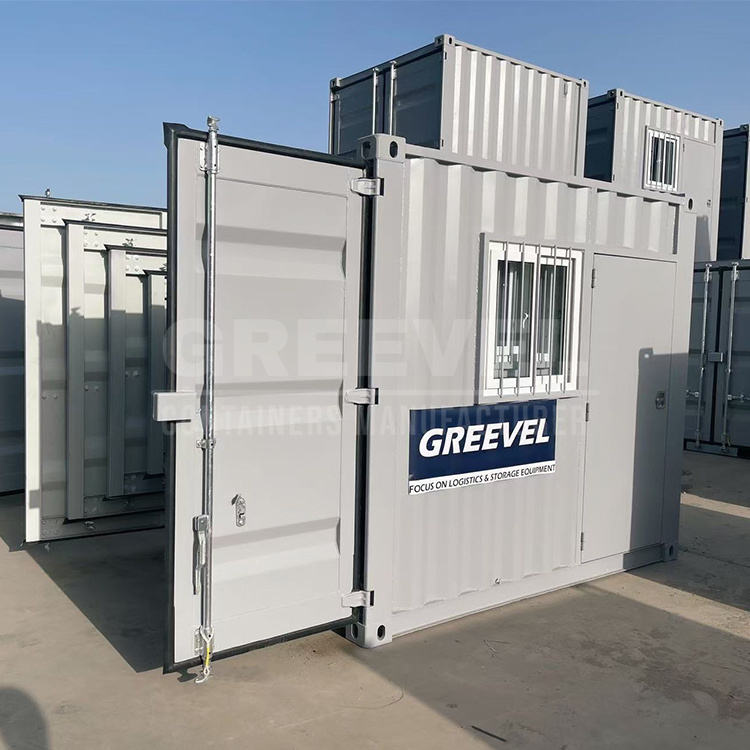
5. Modular Multi-Purpose Adoption: Containers Beyond Storage
The line between "storage container" and "multi-purpose asset" is blurring. Businesses are increasingly leveraging containers as flexible, scalable solutions for non-storage applications—driving cross-industry adoption and market expansion.
- E-Commerce Fulfillment Hubs: Retailers like Amazon, Walmart, and local e-commerce brands are using modified containers as mini fulfillment centers in urban areas. These hubs store high-demand inventory, enabling same-day delivery and reducing shipping costs.
- Construction & Infrastructure: Containers serve as on-site offices, worker housing, tool storage, and even temporary classrooms or medical clinics—critical for remote construction sites and disaster-stricken areas. Their modular design allows easy relocation and reconfiguration as projects evolve.
- Retail & Hospitality: Pop-up shops, cafes, bars, and art galleries housed in shipping containers are trending in urban centers—offering a unique, industrial aesthetic and low-cost setup. These pop-ups are temporary, scalable, and eco-friendly—perfect for brands testing new markets or engaging with customers in creative ways.
Market Growth & Regional Trends: A Global Perspective
The global storage container market is poised for steady growth in 2025–2026, driven by the above trends. Here’s a snapshot of key market data:
- Global Market Size: The global storage container market was valued at $45.2 billion in 2025 and is projected to reach $48.7 billion by 2026, growing at a CAGR of 7.7%.
- China’s Dominance: China is the world’s largest container manufacturer and consumer, accounting for 28.6% of the global market (USD 13.03 billion in 2025). Growth is driven by domestic e-commerce expansion, manufacturing upgrades, and government policies promoting standardized logistics (e.g., the 14th Five-Year Plan for Modern Logistics).
- North America and Europe are focused on sustainability and automation, with demand for smart, eco-friendly containers and modular construction solutions driving growth. The U.S. storage container market is expected to grow at 6.5% CAGR through 2030, driven by supply chain reshoring and e-commerce expansion.
Challenges & Future Outlook
While the industry is booming, it faces key challenges:
- Steel Price Volatility: As the primary material for container manufacturing, steel price fluctuations (driven by supply chain constraints and global demand) impact production costs and pricing for buyers.
- Regulatory Compliance: Stricter environmental and safety regulations (e.g., emissions standards, hazardous material handling) require manufacturers to invest in R&D and upgrades—increasing short-term costs.
- Skill Gaps in Automation: The shift to automated and smart containers requires a skilled workforce trained in IoT, AI, and robotics—creating a talent gap in some regions.
Future Outlook (2026–2030)
Despite challenges, the storage container industry’s future is bright, with three key predictions:
- Mainstream Smart Adoption: By 2028, 50% of all storage containers will be IoT-enabled, with AI-driven maintenance and tracking becoming standard features.
- Net-Zero Containers: Manufacturers will achieve net-zero carbon emissions in container production by 2030, using 100% recycled materials and renewable energy.
Conclusion: Seize the Opportunities in the Evolving Storage Container Industry
The storage container industry is no longer just about "boxes"—it’s about
smart, sustainable, and versatile solutions powering the future of logistics, construction, and commerce. As we head into 2026, businesses that embrace these trends—investing in smart technology, sustainable practices, and customized solutions—will gain a competitive edge in the global market.
Whether you’re a logistics provider, retailer, construction firm, or investor, the storage container industry offers endless opportunities for growth and innovation. Stay ahead of the curve by partnering with manufacturers that prioritize quality, technology, and sustainability—and unlock the full potential of this transformative industry.
